Choosing the right windows and doors: A 2026 homeowner's guide
Key Takeaways
- Material choice for windows and doors significantly impacts energy efficiency, security, durability, aesthetics, and cost-effectiveness in 2026.
- Before choosing, assess your home's architectural style, establish a budget, define performance priorities (e.g., thermal, security), and consider local climate conditions.
- uPVC offers a cost-effective, low-maintenance, and thermally efficient option with good security and design versatility, though its aesthetic may not suit all traditional homes.
- Aluminium provides strength for slimmer frames and larger glass areas, offering a sleek, modern aesthetic and durability, especially with advancements in thermal break technology.
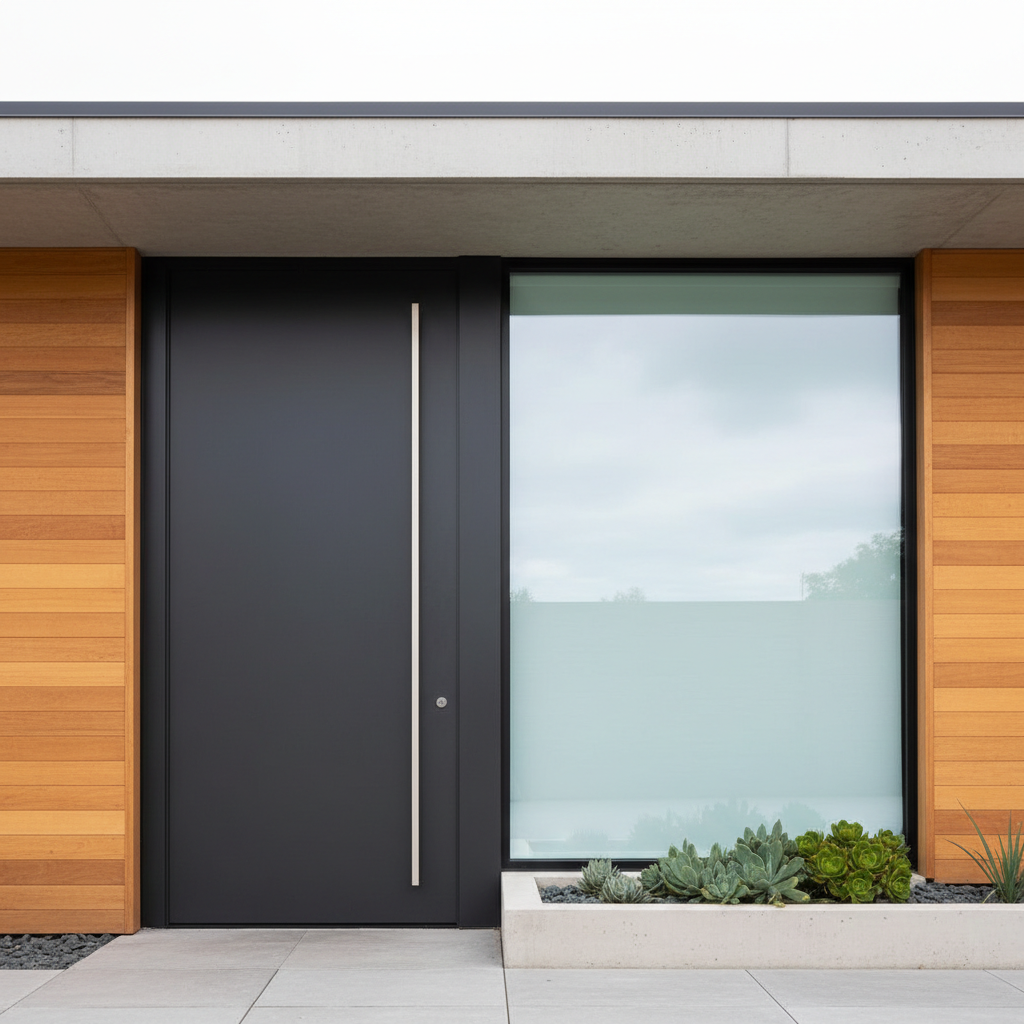
Upgrading your home's windows and doors in 2026 is an investment in energy efficiency, security, and property value. With various materials available, understanding the differences helps in making an informed decision for your Stockport, Manchester, or Cheshire home. This guide reviews uPVC, aluminium, and composite materials, comparing their features, benefits, and considerations.
Why material choice matters in 2026
The building and home improvement industry in 2026 continues to prioritise sustainability, durability, and technological advancements. The material chosen for windows and doors directly affects:
- Energy efficiency: Modern materials offer insulation, helping to reduce heating bills.
- Security: Material strength and locking mechanisms provide security.
- Durability and maintenance: Some materials require less upkeep and withstand weather better.
- Aesthetics: The material's look and feel contribute to a home's curb appeal.
- Cost-effectiveness: Initial investment versus long-term savings and lifespan.
This guide helps navigate these factors, assisting in selecting the best fit for a property and budget.
Prerequisites for choosing materials
Before reviewing material specifics, consider these points:
- Your home's style: Is your property traditional, contemporary, or period? Certain materials complement specific architectural designs.
- Budget: Establish a realistic budget that accounts for both material cost and installation.
- Performance priorities: Are you prioritising thermal efficiency, maximum security, minimal maintenance, or a specific aesthetic?
- Local climate: While Stockport, Manchester, and Cheshire experience varied weather, materials should be robust enough to handle local conditions.
How to compare window and door materials: a step-by-step approach
Step 1: understand uPVC windows and doors
uPVC, or unplasticised polyvinyl chloride, remains a popular choice for windows and doors due to its performance and affordability.
Key features:
- Thermal efficiency: Modern uPVC frames feature multi-chambered profiles that trap air, providing insulation. This contributes to energy savings.
- Durability: uPVC resists rot, rust, and corrosion.
- Low maintenance: It requires minimal cleaning, typically just a wipe down with soapy water.
- Security: Modern uPVC windows and doors are fitted with multi-point locking systems.
- Versatility: Available in various styles, colours, and finishes, including timber-effect options.
Benefits:
- Cost-effective solution with good return on investment.
- Thermal performance contributes to lower energy bills.
- Durable and weather resistant.
- Wide range of design options.
Considerations:
- While available in many colours, the aesthetic might not suit all period properties as well as timber or aluminium.
- Frames can be thicker than aluminium, potentially reducing glass area slightly.
For more details on specific products, explore our range of uPVC windows Stockport and composite doors Stockport.
Step 2: evaluate aluminium windows and doors
Aluminium has seen increased popularity, especially for modern and contemporary homes, due to advancements in thermal break technology.
Key features:
- Strength and durability: Aluminium is strong, allowing for slimmer frames and larger glass panels.
- Sleek aesthetics: Its strength enables minimalist designs and clean lines, suitable for contemporary architecture.
- Thermal performance: Modern aluminium frames incorporate 'thermal breaks' to prevent heat transfer, making them energy efficient.
- Longevity: Resistant to corrosion and warping, aluminium windows and doors can last for decades.
- Colour options: Available in virtually any RAL colour, offering extensive customisation.
Benefits:
- Creates a modern, sleek look with maximum natural light.
- Strong and durable.
- Low maintenance and long lifespan.
- Suitable for large-span glazing, such as patio doors Stockport.
Considerations:
- Generally has a higher initial cost compared to uPVC.
- Some older aluminium systems may not perform as well as the latest uPVC or composite options for thermal efficiency.
Step 3: compare composite doors
Composite doors are designed for external use, combining multiple materials for performance.
Key features:
- Security: Often feature a solid timber core, reinforced with uPVC, GRP (Glass Reinforced Plastic), and sometimes steel, making them robust.
- Thermal efficiency: The combination of materials provides insulation, often outperforming uPVC and some aluminium systems.
- Aesthetics: Designed to replicate the look and feel of traditional timber doors, but without the maintenance.
- Durability and weather resistance: Resists dents, scratches, and extreme weather conditions.
- Low maintenance: Like uPVC, they require minimal upkeep.
Benefits:
- Offers the appearance of timber with the low maintenance of modern materials.
- High security and thermal performance.
- Wide range of designs, colours, and glass options to suit any home.
Considerations:
- Typically the most expensive option for doors.
- While durable, repairs can be more complex than for uPVC.
Step 4: consider hybrid options and specific applications
Sometimes, the best solution involves a combination of materials or specific product types for different areas of your home.
- Porches: A porch in Stockport might combine uPVC frames with brickwork, offering a blend of durability and traditional aesthetics.
- Conservatories: Conservatories Stockport often use uPVC or aluminium for frames, with advanced glazing options for year-round comfort.
- Mixing materials: You might choose uPVC for side windows for cost-effectiveness, and a composite door for your main entrance for enhanced security and aesthetics.
Step 5: the Affinity Glass material comparison checklist
Use this checklist to help compare materials for your specific needs.
| Feature/Material | uPVC | Aluminium | Composite (Doors Only) |
|---|---|---|---|
| Initial cost | ££ | £££ | ££££ |
| Thermal efficiency | Excellent | Very Good | Outstanding |
| Security level | High | High | Superior |
| Maintenance | Low | Low | Low |
| Lifespan | 20-35 years | 30-45 years | 30-45 years |
| Frame slimness | Standard | Slim | N/A (Solid door) |
| Colour/finish options | Good | Excellent | Excellent |
| Weather resistance | Excellent | Excellent | Excellent |
| Recyclability | Good | Excellent | Moderate |
| Noise reduction | Excellent | Very Good | Outstanding |
How to use this checklist:
- Prioritise: Rank the 'Feature/Material' rows from most important to least important for your project.
- Score: Assign a score (e.g., 1-5) to each material for each feature based on your priorities.
- Total: Sum the scores to see which material aligns best with your needs.
Step 6: seek expert advice and get a quote
After clarifying which materials suit your needs, consult with local experts. A professional assessment can confirm choices and provide precise costings.
- Local knowledge: Experts in Stockport, Manchester, and Cheshire understand local architectural styles and planning considerations.
- Custom solutions: They offer tailored advice based on your home's specific requirements.
- Installation quality: Proper installation is as important as material choice for long-term performance.
At Affinity Glass, with over 40 years of experience, we help homeowners make choices for their properties. We offer free, no-obligation quotes and discuss the benefits of each material in the context of your home.
Troubleshooting common material questions
- "Will uPVC look cheap?" Modern uPVC has evolved. High-quality uPVC comes in a wide array of finishes, including realistic woodgrain effects, that can complement both modern and traditional homes. Quality manufacturing and expert installation are key.
- "Is aluminium always more expensive?" While aluminium often has a higher upfront cost, its longevity and minimal maintenance can make it a cost-effective choice over its lifespan, especially for larger installations like bi-fold doors.
- "Do composite doors really offer better security?" Yes, due to their multi-layered construction, composite doors are stronger and more resistant to forced entry than many other door types. Combined with advanced locking systems, they provide security.
- "What about noise insulation?" All modern double glazing materials offer good noise reduction. The combination of a robust frame and high-quality double or triple glazing will enhance acoustic performance, with composite doors often leading for external entrances.
Expected results from informed material choices
By carefully comparing window and door materials, you can expect several positive outcomes for your home in 2026:
- Enhanced energy efficiency: Reduced heating and cooling costs due to insulation.
- Improved home security: Greater peace of mind with robust, multi-point locking systems.
- Increased property value: Modern, high-quality windows and doors are a strong selling point.
- Boosted curb appeal: An aesthetic upgrade that enhances your home's overall look.
- Reduced maintenance: More time enjoying your home, less time on upkeep.
- Greater comfort: A quieter, warmer, and more secure living environment.
Choosing the right materials for your windows and doors in 2026 impacts your home's comfort, security, and value for years to come. Whether you opt for the versatile and cost-effective uPVC, the sleek and strong aluminium, or the security and aesthetics of composite, understanding each material's unique benefits is key. Use this guide as a starting point and then reach out to local experts like Affinity Glass for personalised advice and a free quote. Our team can help you make the best choice for your Stockport, Manchester, or Cheshire home.
Ready to explore your options? Contact us today for a free, no-obligation quote and transform your home.